Home · Books · Sanatana Dharma: An Advanced Text Book
सनातन धर्म
Sanatana Dharma
AN ADVANCED TEXT BOOK OF HINDU RELIGION AND ETHICS
Illustrated edition · first published by the Central Hindu College, Benares · second edition, 1904
- Format
- A5 paperback, 336 pages
- Also as
- Kindle eBook
- Illustrations
- 16 diagrams, 25 colour plates
- ISBN
- [ISBN]
Fifteen per cent of the sale value of each book goes to organisations that support dharma, among them Hindu Fund and Reclaim Temples.
About the book
Written for the college classes of the Central Hindu College, Benares, the Advanced Text Book follows the elementary Sanatana Dharma and fills in its outlines. An Introduction on the sacred books and the six Darshanas leads into three parts: the basic religious ideas (the One and the Many, Rebirth, Karma, Sacrifice and the Worlds, visible and invisible); the customs and rites (the Samskaras, Shraddha, Shaucham, the five daily sacrifices, worship, the four Ashramas and the four Varnas); and the ethical teachings, which rest on the unity of the Self and trace every virtue to love and every vice to hate.
This edition is newly typeset and proofread page by page against the second edition of 1904. Every Sanskrit verse is given in Devanagari with a reading in English letters, followed by its English translation. It adds sixteen two-colour teaching diagrams and twenty-five coloured plates, with the full index and editorial notes.
From the pages
Every verse, readable aloud
आत्मानं रथिनं विद्धि शरीरं रथमेव तु ।
atmanam rathinam viddhi shariram rathameva tu
बुद्धिं तु सारथिं विद्धि मनः प्रग्रहमेव च ॥
buddhim tu sarathim viddhi manah pragrahameva cha
“Know the Self the chariot-owner, the body the chariot; know Reason the charioteer, and the mind as the reins.”
Kathopanishat, I. iii. 3 · from Part I, Chapter III, Rebirth
Contents
INTRODUCTION · PART I · BASIC HINDU RELIGIOUS IDEAS
- Introduction
- I. The One Existence
- II. The Many
- III. Rebirth
- IV. Karma
- V. Sacrifice
- VI. The Worlds—Visible and Invisible
PART II · GENERAL HINDU RELIGIOUS CUSTOMS AND RITES
- I. The Samskaras
- II. Shraddha
- III. Shaucham
- IV. The Five Daily Sacrifices
- V. Worship
- VI. The Four Ashramas
- VII. The Four Varnas
PART III · ETHICAL TEACHINGS
- I. Ethical Science, what it is
- II. The Foundation of Ethics, as given by Religion
- III. Right and Wrong
- IV. The Standard of Ethics
- V. Virtues and their Foundation
- VI. Bliss and Emotions
- VII. “Self-Regarding” Virtues
- VIII. Virtues and Vices in Relation to Superiors
- IX. Virtues and Vices in Relation to Equals
- X. Virtues and Vices towards Inferiors
- XI. The Reaction of Virtues and Vices on each other
The illustrations
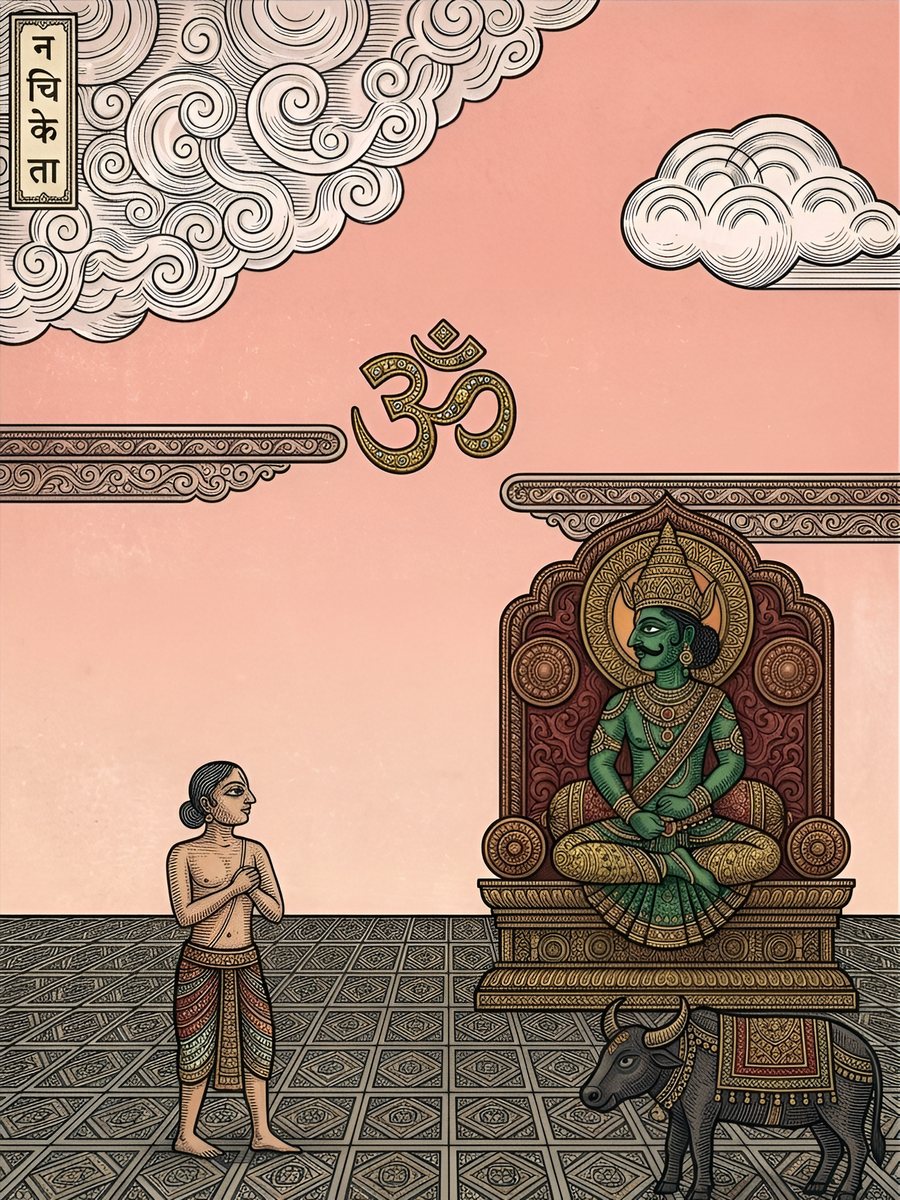
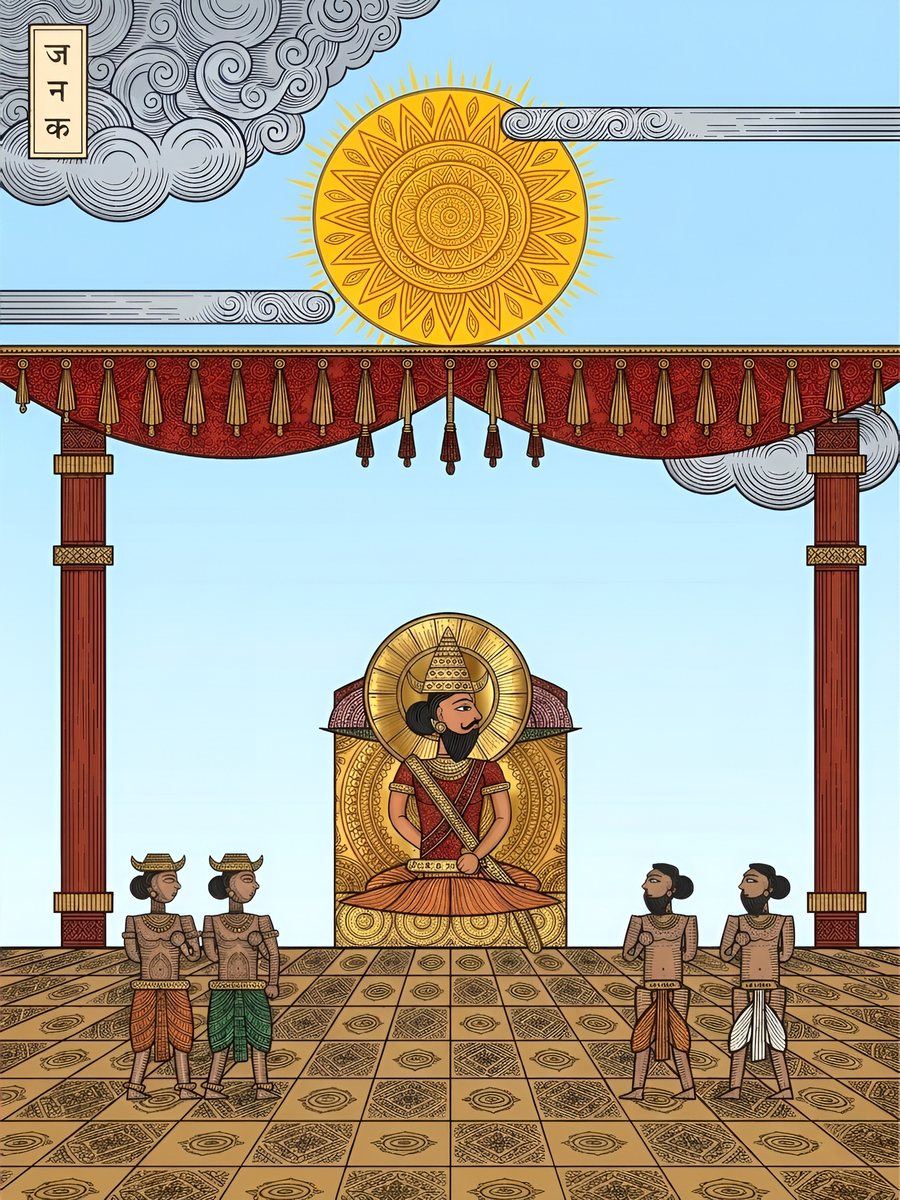
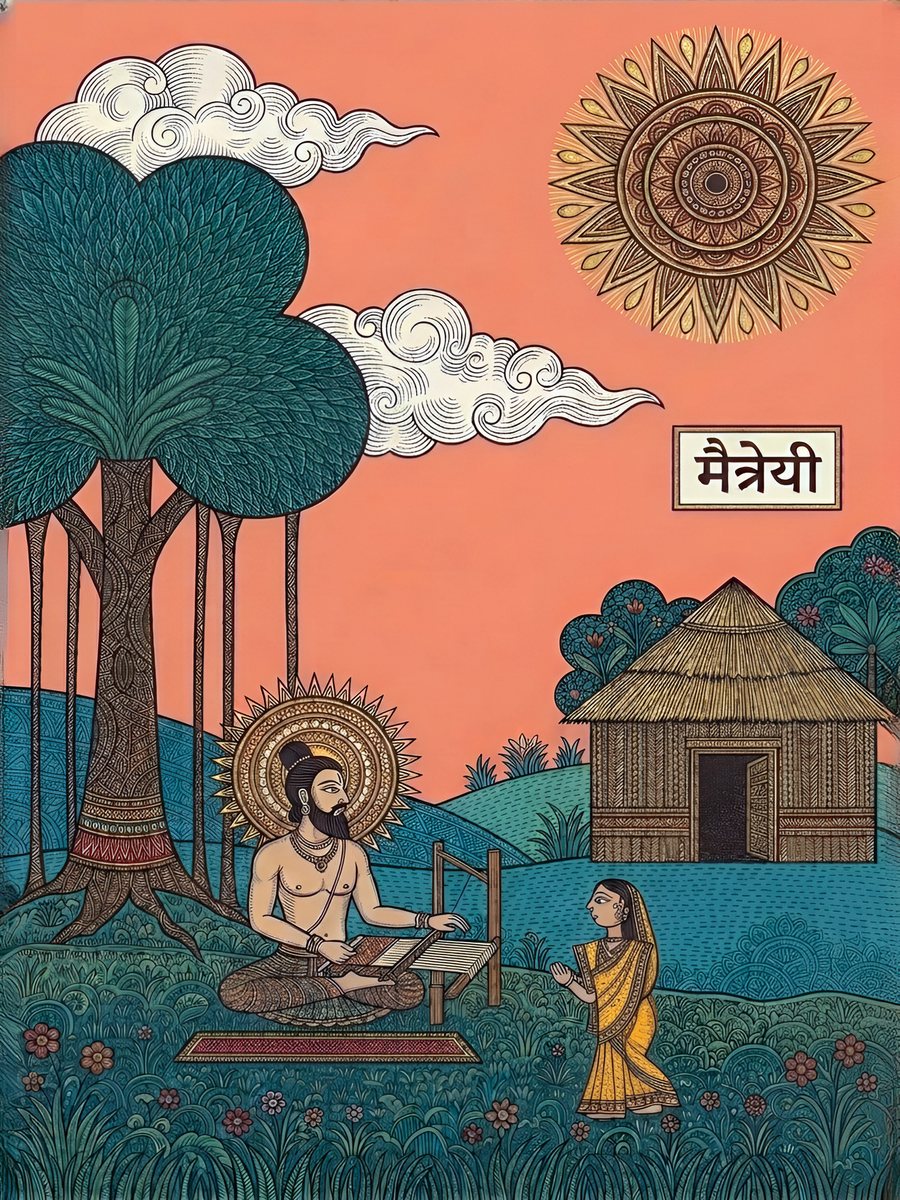
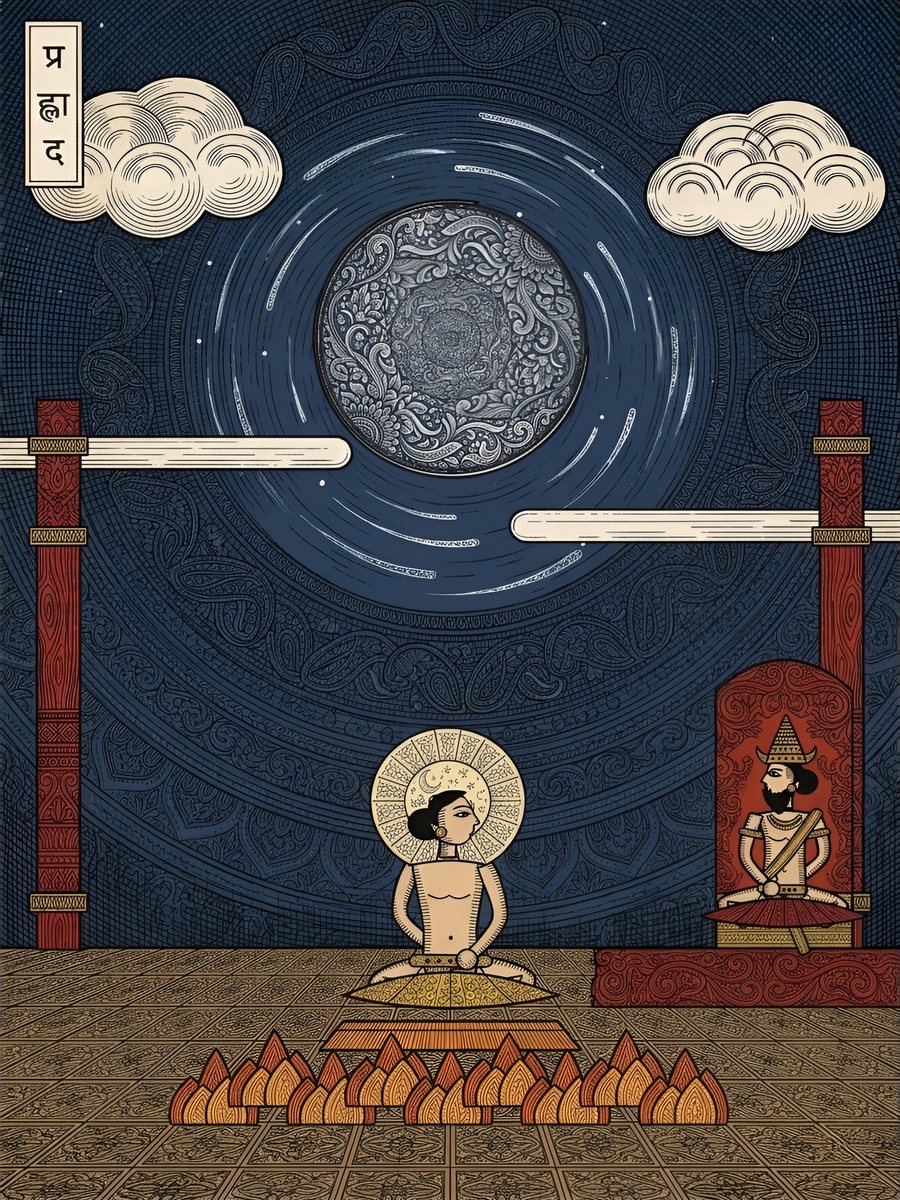
Twenty-five coloured plates
- Vyasa divides the Veda
- Nachiketa before Yama
- Brahma in the Golden Egg
- Vishnu enters the Egg; Rudra appears
- The chariot of the Self
- King Janaka, the Mukta
- Prajapati gives mankind sacrifice
- The Upanayana
- The marriage
- Offerings to the Pitris
- The Bali offering and the guest
- Sandhya: the Arghya to the Sun
- The four Ashramas
- Satyakama before Haridrumata
- Yajnavalkya and Maitreyi
- Narada and the Haryashvas
- Shri Krishna revives the child of Abhimanyu
- Shri Rama goes into exile
- Arjuna: the restless mind
- Bhishma on the bed of arrows
- Prahlada at prayer
- The four brothers
- Charity to the weak
- Kaushalya and Dasharatha
- Arjuna before the Virat-rupa
Sixteen teaching diagrams
- The Sacred Books
- The Six Darshanas
- The Symbols of Spirit and Matter
- The Five
- The Trimurti and their Shaktis
- The Order of Emanation
- The Growth of Manas
- The Three Laws of Karma
- The Three Kinds of Karma
- The Fourteen Worlds
- The Jivatma and his Bodies
- After Death
- The Ten Samskaras
- The Sixteen Samskaras (editor’s note)
- The Sacrifices
- Virtues and Vices in Human Relations